
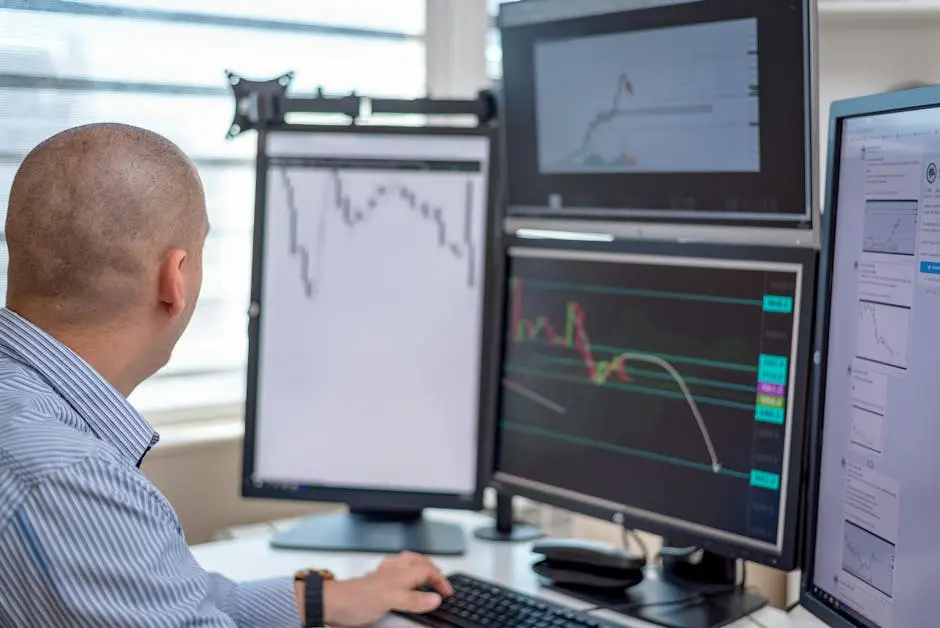
In today’s fast-paced financial landscape, having the right tools and strategies is essential for success. A trade desk can be a game changer for financial institutions, providing the necessary infrastructure to manage trades more efficiently. Let’s dive into the compelling reasons why every financial institution should consider implementing a trade desk.
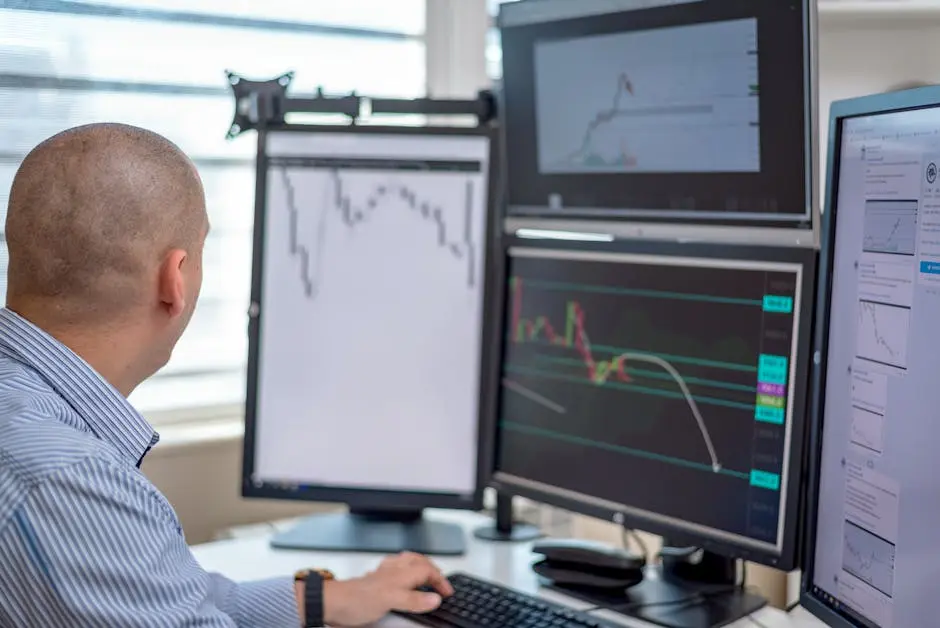
1. Streamlined Trading Operations
A trade desk promotes smoother trading operations, allowing for faster execution and clearer processes. This efficiency helps institutions respond swiftly to market changes. Without the right tools, even the most skilled traders can find themselves bogged down by unnecessary complexities. A streamlined operation ensures that trades are not only executed faster but also with greater accuracy, minimizing costly errors.
Additionally, the automation within a trade desk system enhances productivity by reducing the manual effort required in trade execution. Imagine a day where your traders can focus on strategy rather than being tied up in administrative tasks. By integrating a trade desk, institutions can unlock their team’s potential, allowing them to focus on what truly matters: optimizing their trading strategies.
2. Improved Risk Management
Incorporating a trade desk significantly enhances risk management capabilities, enabling institutions to effectively identify and mitigate potential risks in real-time. This proactive approach to risk management is crucial in an ever-evolving financial market landscape.
Moreover, the ability to monitor risk continuously means institutions can avert potential losses before they escalate. By identifying market trends that could expose them to significant threats, a trade desk acts as a safety net, ensuring that institutions are always one step ahead.
With personalized risk assessments and alerts, firms can make informed decisions with a clear understanding of the risks involved. Investing in a robust trade desk not only protects assets but also builds confidence in trading strategies, bolstering overall financial health.
3. Access to Advanced Technology
Trade desks often come equipped with cutting-edge technology, providing tools that can analyze market trends and automate trades for better decision-making. For financial institutions, having access to advanced software can set them apart from competitors relying on outdated systems.
Think about it: the financial markets generate vast amounts of data every second. A modern trade desk utilizes algorithms and AI to sift through this data, extracting valuable insights that human analysts might miss. This technological edge empowers firms to make quicker and more accurate trading decisions.
Ultimately, the adoption of advanced technology can revolutionize trading strategies. It not only facilitates real-time data processing but also allows for simulation and modeling, helping institutions foresee the potential outcomes of their trading strategies before they commit.
4. Enhanced Data Analytics
With a trade desk, financial institutions can leverage sophisticated data analytics to gain insights into trading patterns, leading to more informed strategies. The integration of analytics allows traders to look back at their past activities, discern patterns, and predict future outcomes.
This in-depth analysis supports a more informed approach to trading, as it minimizes guesswork and replaces it with data-driven decisions. As a result, institutions can tailor their trading operations to market conditions, enhancing their chances of success.
Moreover, the placement of analytics within the trade desk framework streamlines communication among team members, ensuring everyone is on the same page. Access to the same set of data fosters collaboration, leading to cohesive strategies and collective problem-solving, which is essential in today’s complex financial landscape.
5. Cost Efficiency
While initial investments may seem daunting, a trade desk ultimately leads to cost savings by optimizing trading costs and improving overall operational efficiency. The return on investment can be significant, especially as firms see reductions in inefficient trading practices.
By streamlining processes, firms can reduce overhead costs associated with manual trade execution, thus enhancing profitability. Additionally, a trade desk can help organizations make smarter decisions that prevent costly mistakes, which can have a lasting financial impact.
In the long run, the cost savings provided by a trade desk can be reinvested into other crucial areas, such as employee training or technological upgrades, leading to further enhancements in operational effectiveness.
6. Regulatory Compliance Made Easier
Trade desks can help institutions navigate complex regulatory landscapes more effectively, ensuring compliance and reducing the risk of costly penalties. As regulations continue to evolve, having a dedicated trade desk can serve as a compliance safety net.
By automating compliance checks within the trading process, firms can mitigate risks related to regulatory breaches while enhancing their reputational standing. A reputation for compliance can be a powerful differentiator in the financial industry, attracting clients and investors alike.
Furthermore, the real-time monitoring capabilities of a trade desk ensure that any changes in regulations are swiftly incorporated into trading practices, keeping institutions ahead of the regulatory curve and minimizing disruption.
7. Scalability for Future Growth
Investing in a trade desk allows institutions to scale their trading operations easily as they grow, adapting to market demands without compromising their performance. As firms expand, they need a robust infrastructure that can support increased trading volumes and complexity.
A trade desk facilitates scalability by providing a flexible framework that can evolve with the institution’s needs. This adaptability ensures that as new trading products are introduced or market dynamics shift, the organization can seamlessly adjust without a hitch.
Moreover, with a trade desk in place, institutions can generally expand into new markets or asset classes, broadening their horizons and opportunities. This flexibility can be a game-changer for organizations looking to capitalize on emerging opportunities.
8. Support for Strategic Decision-Making
A trade desk provides financial institutions with the necessary data and insights to make strategic, well-informed decisions that align with their goals and objectives. With the right information at their fingertips, traders can navigate market fluctuations with confidence.
Decision-makers are often faced with myriad options, and a trade desk can cut through the noise, highlighting the most promising avenues based on real-time data and analysis. This clarity is invaluable in crafting strategies that maximize returns while mitigating risks.
Furthermore, the collaborative environment fostered by a trade desk allows for diverse insights and perspectives, enhancing the quality of decision-making. In a landscape where rapid decisions are key, having a supportive framework for strategic planning can be the difference between success and failure.